
Hull Headscarf Revolutionaries: Making Waves, Changing History, and Saving Lives
“Imagine if, when you said goodbye to your family when you left for work this morning, you didn’t know if you’d be coming back home to them.
“That was the constant reality for trawlermen and their families.” says Azaria Murray, co-founder of Huxons Recruitment and granddaughter of one of Hull’s pioneering changemakers: Yvonne Blenkinsopp.
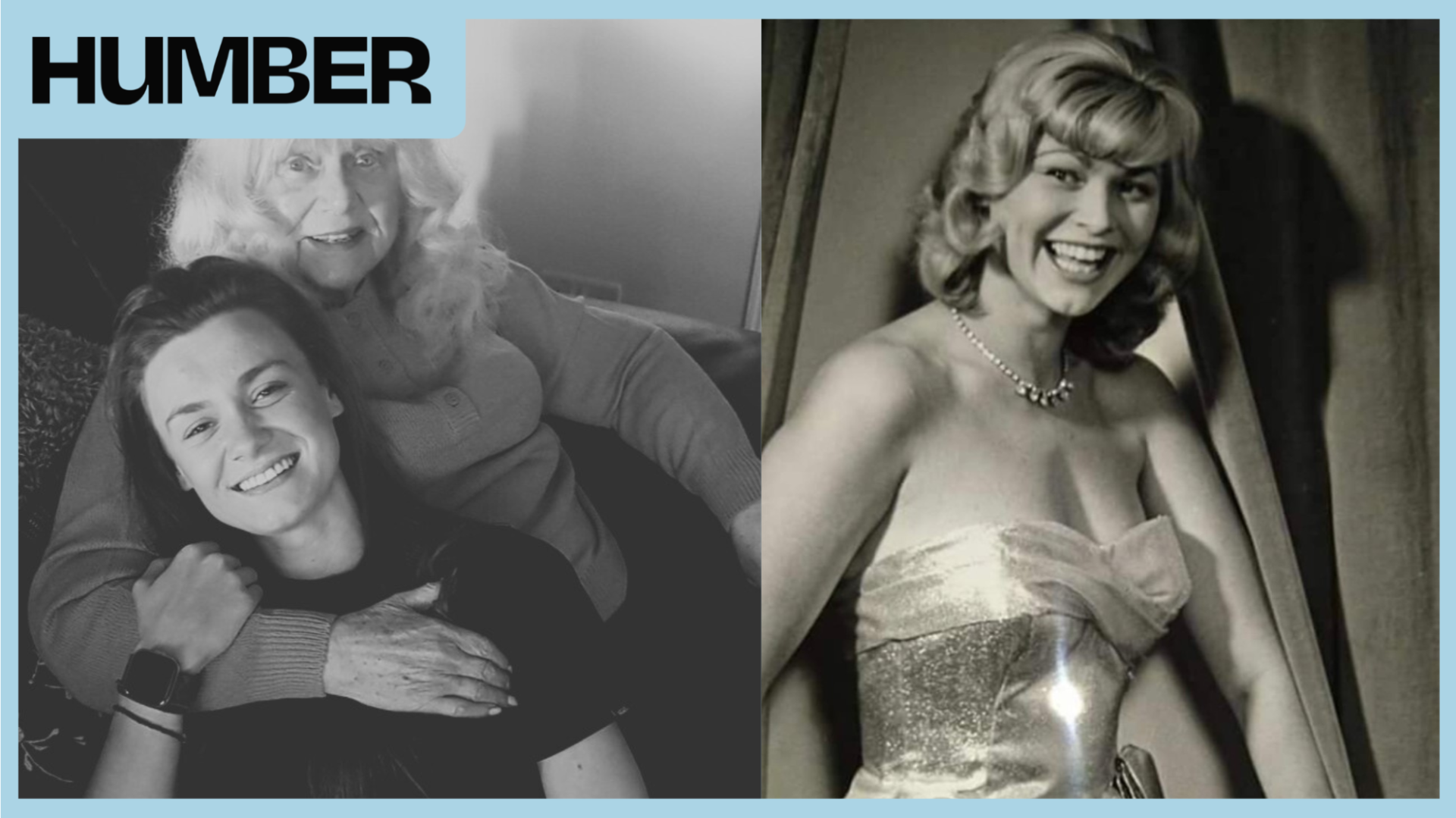
One of Hull’s four ‘Headscarf Revolutionaries’: Yvonne was part of a group of working-class women who led one of the most successful civil actions of the 20th century. Fighting for fishing safety reform, their collective movement became one of the biggest cases of grassroots activism in the UK.
Yvonne grew up in the Hessle Road area of the city. She became a mother of four and a successful singer who toured the country known as “the golden girl with the golden voice”. She was also a fisherman’s daughter, sister, and niece – and knew what it was like to fear for the lives of those you loved while they were at work.
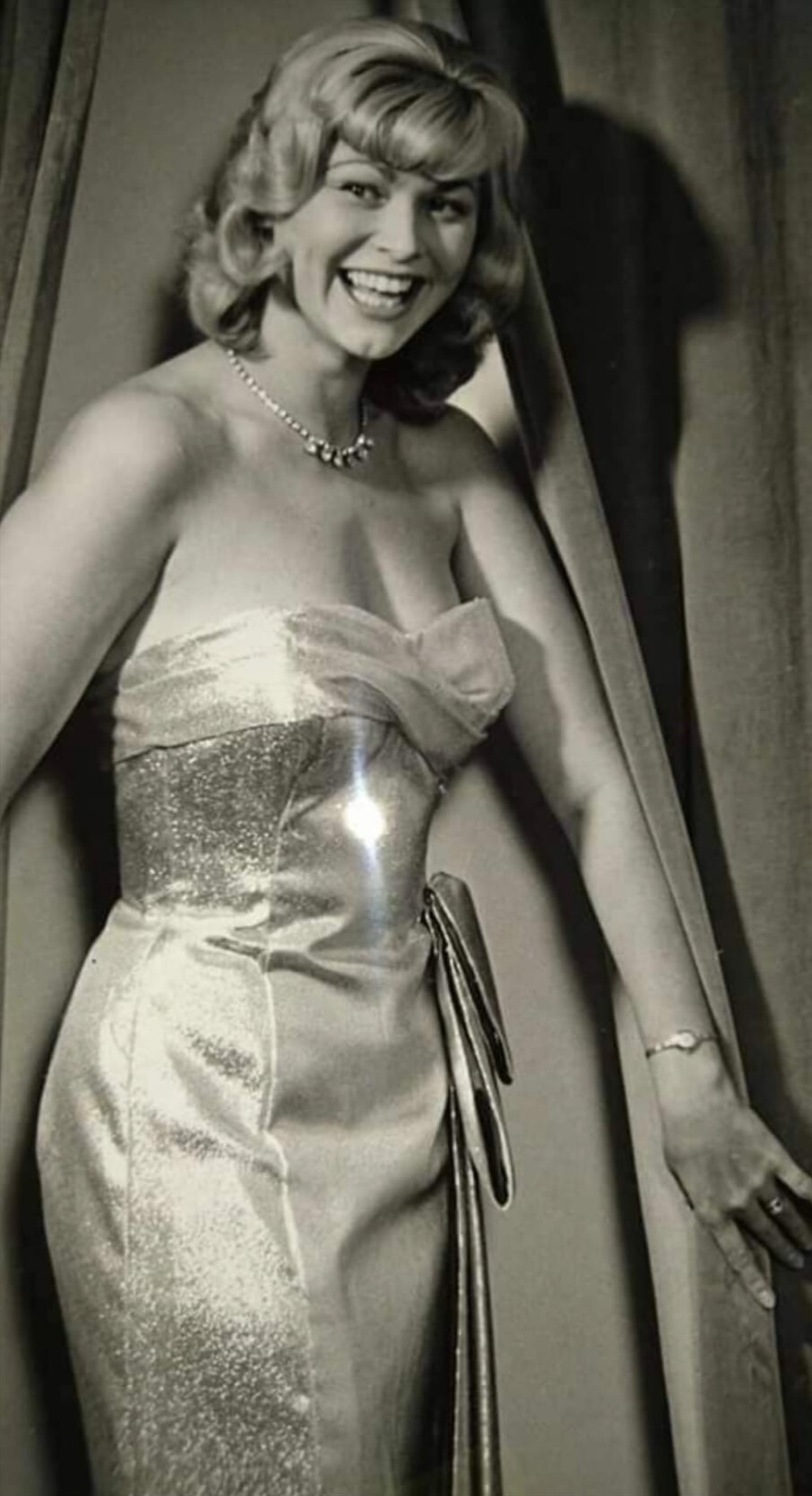
Picture caption: The golden girl with the golden voice: Yvonne was a successful singer and one of Hull’s four Headscarf Revolutionaries
In the 1960s, Britain’s deep-water fishing industry was world leading. Hull was the epicentre of that industry, with most of the fishing community located around Hessle Road. Though the industry was lucrative, it was fraught with danger. The laws governing the trade were unchanged since the early 19th century. Safety measures were lax, and hazardous on-board conditions rife.
Trawlers frequently left for sea without enough crew, radio apparatus, or medical equipment on board. With a surfeit of trawlermen looking for work, to challenge the conditions risked being blacklisted and labelled a “troublemaker”. Silence remained while countless lives were claimed at sea.
Azaria’s family experienced the consequences of the perilous working conditions firsthand, as she explains:
“My grandmother lost her Dad at sea. If a medical kit had been on board, he’d have survived.”
In January and February 1968, three Hull fishing trawlers capsized in fiercely stormy Icelandic waters. The ships – St Romanus, Kingston Peridot, and Ross Cleveland – sunk within three weeks of each other, Tragic incidents that left their families back home facing an agonising wait for news of the crews’ fate.
All but one of those on board were killed in Hull’s trawler tragedy. 58 lives lost.
The sisters, mothers, and wives left behind had had enough. They decided to do something about it. And changed the course of history.
Led by Lillian Bilocca – or “Big Lil” as she was called – the community began campaigning for safety in the fishing industry. They collected 10,000 signatures for their petition in a matter of days. Which was – as Azaria proudly puts it: “basically anybody who could hold a pen.”
Big Lil became a familiar face at the docks as she personally checked conditions on trawlers, demanding basic equipment such as radios be brought aboard before letting them set sail. The community asked Yvonne to form and lead the Hessle Road Women’s Committee – she did, alongside Big Lil, Mary Denness, and Christine Jensen. Together, they marched the streets in peaceful protest – unintentionally donning a kind of uniform that would later earn them their ‘Headscarf Revolutionaries’ title.
Their people-powered movement continued apace, capturing media attention. TV news reported on their public meetings. They made national newspaper headlines, even knocking the Vietnam War off the front pages.
They went on to secure and attend meetings of an unprecedented level for a group of working-class women activists, reaching even the upper echelons of Government. Following their meeting with Ministers that February, every single one of their demands for a safer fishing industry were granted.
Their fearless protest changed maritime law and saved lives.
The Headscarf Revolutionaries embodied Humber's authenticity and resilience. Their story of everyday people standing up for what is right is an inspiring reminder of the power of local voices and what collective action can achieve. Fuelled by remarkable spirit, they faced adversity with unwavering determination and resourcefulness. And achieved real change on a transformative scale.
They also introduced a fresh vision for what working-class women could be – heralding a pivotal moment in UK feminist history. Today, a new campaign is taking place to honour their memory and help right another wrong.
Azaria is part of a fundraising movement to commemorate the Headscarf Revolutionaries’ legacy and their voyage of women-led social change. The fund aims to create permanent statues of each of the four trailblazing women, to stand together in Hull city centre. The monument would be a noteworthy addition to Hull’s maritime heritage, serving as a physical tribute to this eminent British social history case study.
Azaria added: “My Grandmother and her fellow Revolutionaries changed what it meant to be a working-class woman in the 1960s. Ordinary women who created extraordinary change, we must make sure that their formidable fight is not forgotten. It’s estimated that less than 3% of the UK’s civic monuments are of non-royal women. It feels right that in honouring their memory with four new statues, we’re helping redress this gender imbalance.”
To find out more about the Headscarf Revolutionaries Statue appeal and to make a donation, visit their GoFundMe page.
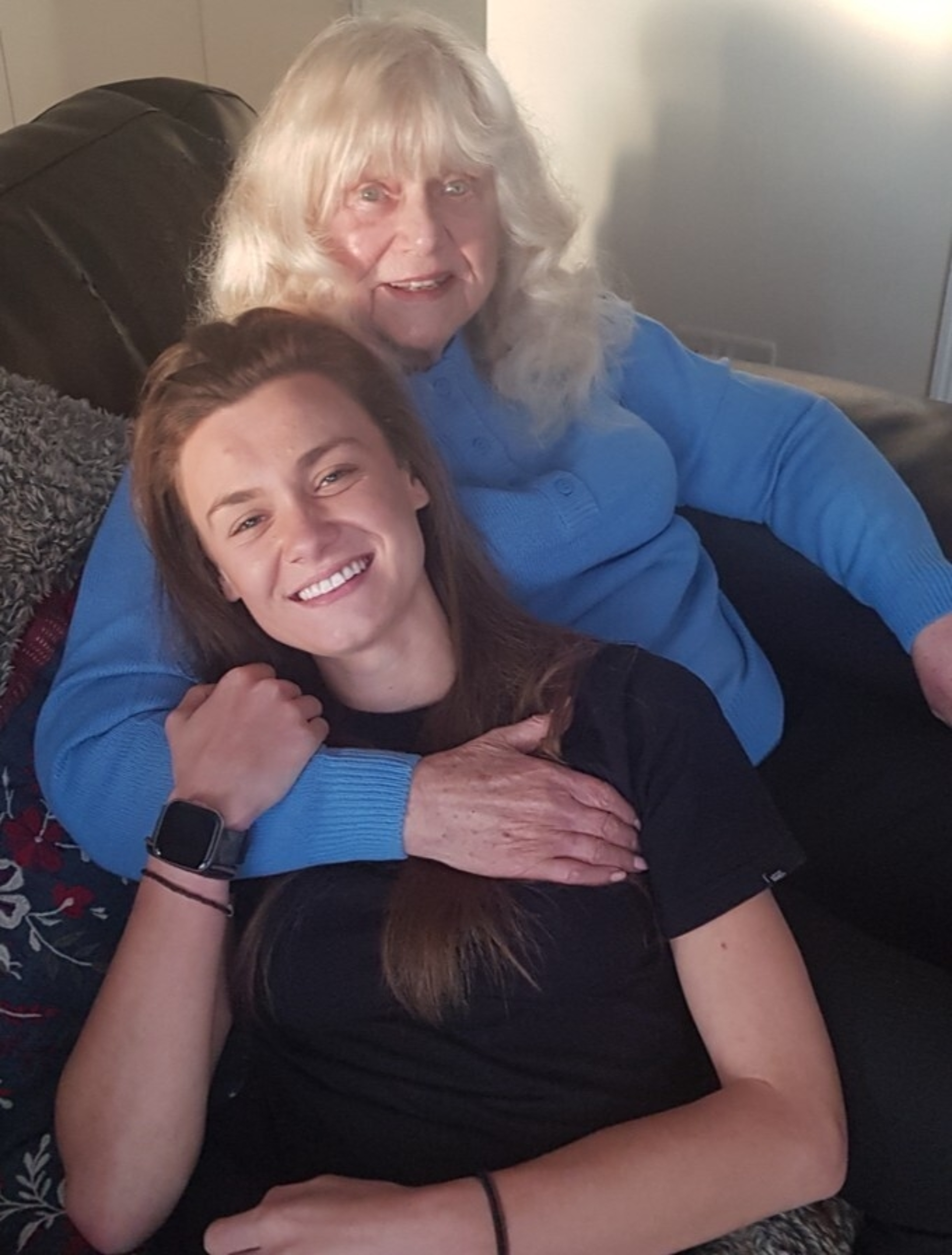
Picture caption: Azaria Murray with her Headscarf Revolutionary Grandmother, Yvonne Blenkinsop
More Case Studies
 Place
Place
Active Humber: Driving a Healthier, More Connected Region through the Humber Place Brand
Place
Projekt Renewable: Embodying Humber’s values for a sustainable future
Place
John Good Group: Pioneering sustainable innovation and positive impact
Place