
From Dock to Dinner Plate: A World-Leading Seafood Centre

Home to over 200 food-related businesses and one of the largest seafood clusters in the Northern Hemisphere, one Humber town produces and trades a remarkable 70% of the UK’s seafood.
A hub of expertise, innovation, and heritage, Grimsby is a powerhouse of seafood excellence with a world-class fish industry. From gourmet ready meals to fish fingers and award-winning artisan products, the catch that rolls off the line here is served at family tables, royal banquets, and five-star restaurants across the country.

Image credit: Made Great In Grimsby
How Grimsby Powers Humber’s Seafood Economy
The success of Grimsby’s seafood industry ripples across Humber, the UK, and beyond. Producing hundreds of fish and seafood products, the town plays an essential role in national food security. Just 5 of the town’s largest processing businesses supply all the major UK retailers with fresh and frozen seafood. And a 100-strong fleet of mobile fishmongers deliver fresh fish direct to doors up and down the country. From off-the-shelf favourites to fine-dining fare, Grimsby’s extensive seafood range reflects its rich heritage, Haddock produced by traditional fish-smoking techniques in centuries-old smokehouses for example, is a speciality protected by geographical indicator status and prized by Michelin-star chefs.
An industry that contributes over £2bn to Humber’s economy, over 5,500 people are directly employed in this UK seafood processing hub. A further 10,000+ jobs are supported in the industry’s supply chain, including engineering, transportation, cold storage, packaging, and laboratory testing. With proven craftmanship and sector leadership, Grimsby attracts international seafood investment from countries including Canada, Japan, Iceland, the USA, Norway, and the Faroe Islands. Anchoring Humber’s seafood economy, and the regions ports’ position as a leading gateway for UK trade, Grimsby sustainably imports seafood from all over the world.
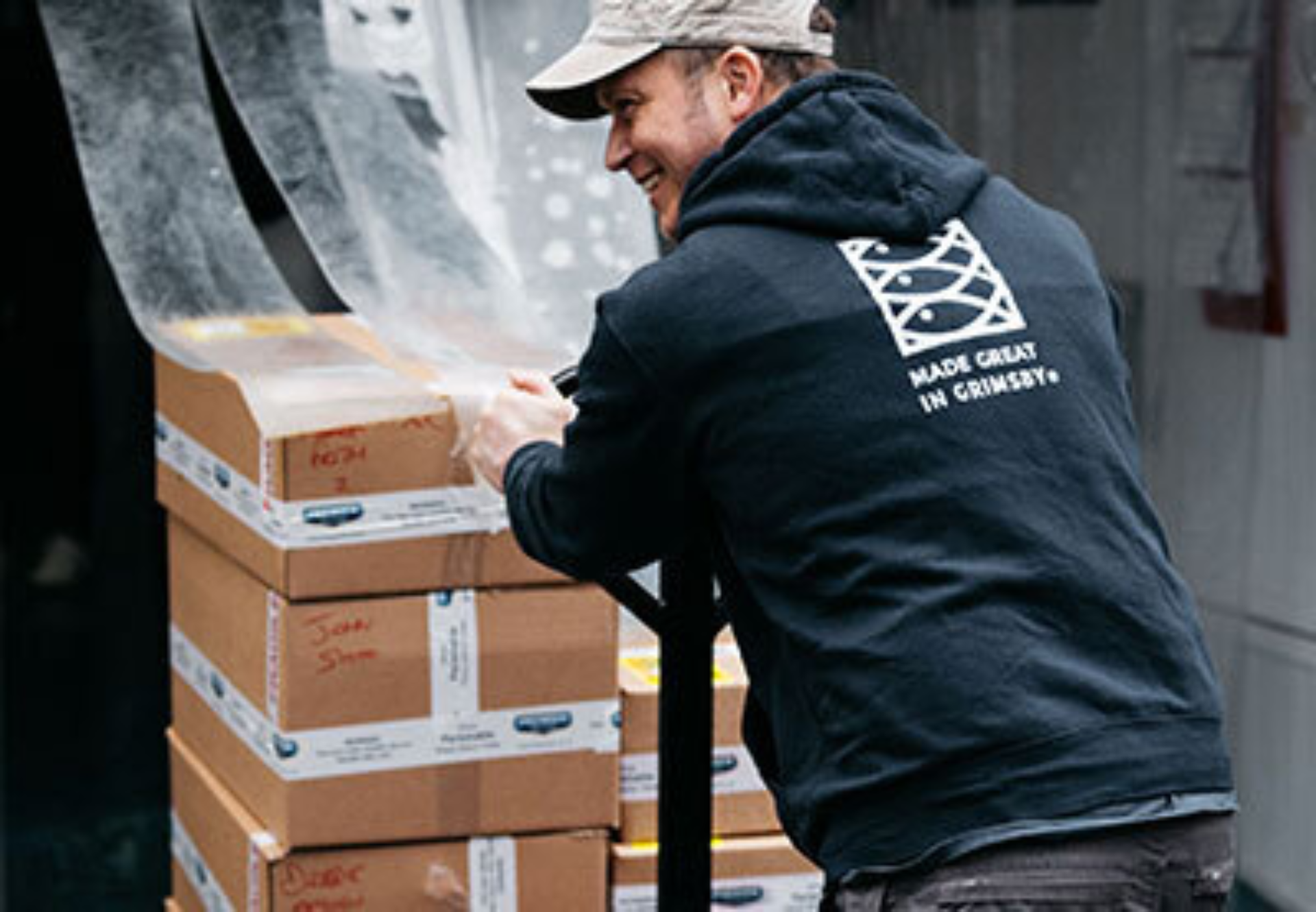
Image credit: Made Great In Grimsby
Simon Dwyer, is a local business leader in the maritime and seafood sectors as well as Director of Made Great in Grimsby. He said:
“The UK is a huge importer of seafood and collectively, Humber imports the largest amount in the whole country. Grimsby businesses source fresh fish predominantly from the Faroes, Iceland and Norway, with frozen produce from countries across the northern and southern hemispheres. The range of products our businesses handle is vast, including locally caught shellfish, mixed British-caught species and farmed salmon from Scotland as well as cod, pollock and haddock.”
Simon Dwyer
Though the UK is home to one of the world’s largest seafood clusters, only 1 in 5 Brits eats the NHS recommended guideline of 2 portions of fish a week*. Made Great in Grimsby is on a mission to change that, Simon explains:
“We want to build awareness of the vast choice available, literally hundreds of seafood products are made in Grimsby every day. As well as being a healthy choice, fish is also the lowest-carbon source of animal protein. and we aim to inspire more people to choose high-quality Grimsby seafood.”

Stephen Bennett, a renowned chef from Grimsby and Seafish Industry Authority ‘Love Seafood Champion’, hosts online cookalongs as part of Made Great in Grimsby’s mission to inspire more of us to get cooking with fish. Image credit: Made Great In Grimsby
Sustaining Heritage, Shaping the Future: Skills and Innovation
The seafood cluster’s innovation extends to future-proofing the industry with pioneering education and skills training. The cluster’s Future Leaders Programme launched as the first of its kind in 2023 and develops the next generation of decision makers in driving sustainable growth and excellence in the sector. The UK Seafood School at Grimsby Institute marked a major milestone in training the next generation of seafood professionals when it launched in October 2024. Made Great in Grimsby runs a careers programme for Department of Work and Pension clients in partnership with regional charity CAT Zero. And the cluster’s strategic connection with regional schools showcases Humber’s diverse seafood careers from responsible sourcing to culinary arts and environmental stewardship. Led by a dedicated Schools Ambassador, the initiative offers career guidance and hands-on experiences to regional students through industry taster days and workshops.
Simon added: “Grimsby’s seafood legacy will live on through its people. With world-class training and development opportunities we’re ensuring skills, sustainability, and innovation continue to power our dynamic seafood cluster. Nurturing local talent, inspiring the leaders of tomorrow, and instilling a passion for seafood, we’re laying the foundations to keep Grimsby, and Humber, leading the world in seafood.”
Bondholder Profile
 Bondholder